The Big Cats of Kruger: Lions, Leopards, and Cheetahs in the Wild
August 20, 2026
There’s a moment on every safari when the vehicle goes quiet — when a guide spots movement in the long grass, raises a hand, and everyone leans forward at once.
More often than not, that moment involves a big cat. Kruger National Park is home to healthy populations of lion, leopard, and cheetah, and few experiences compare to watching one of these predators in its natural environment.
Lions: The Unmistakable Kings of the Bushveld
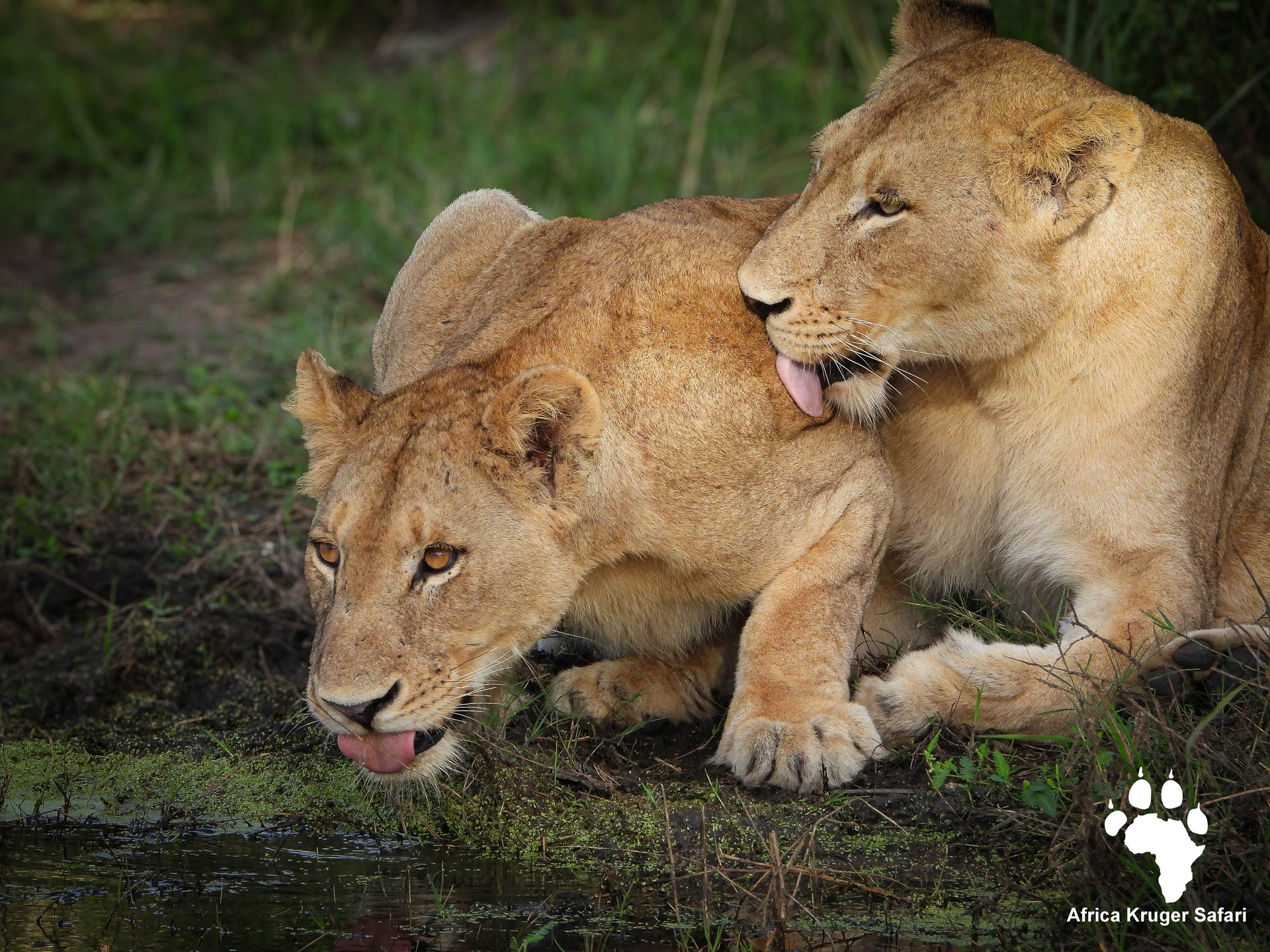
Kruger’s lion population is among the most stable and well-studied in Africa, and sightings — particularly of prides resting near waterholes or roads in the early morning — are a real highlight for most guests. Watching a pride wake up, groom each other, and begin the slow business of the day is a masterclass in patience and power. Listen closely at dawn or dusk and you may also hear the deep, rolling roar of a territorial male carrying for kilometers across the plains — one of the most iconic sounds in the African bush.
Leopards: The Elusive Ghost of the Bush
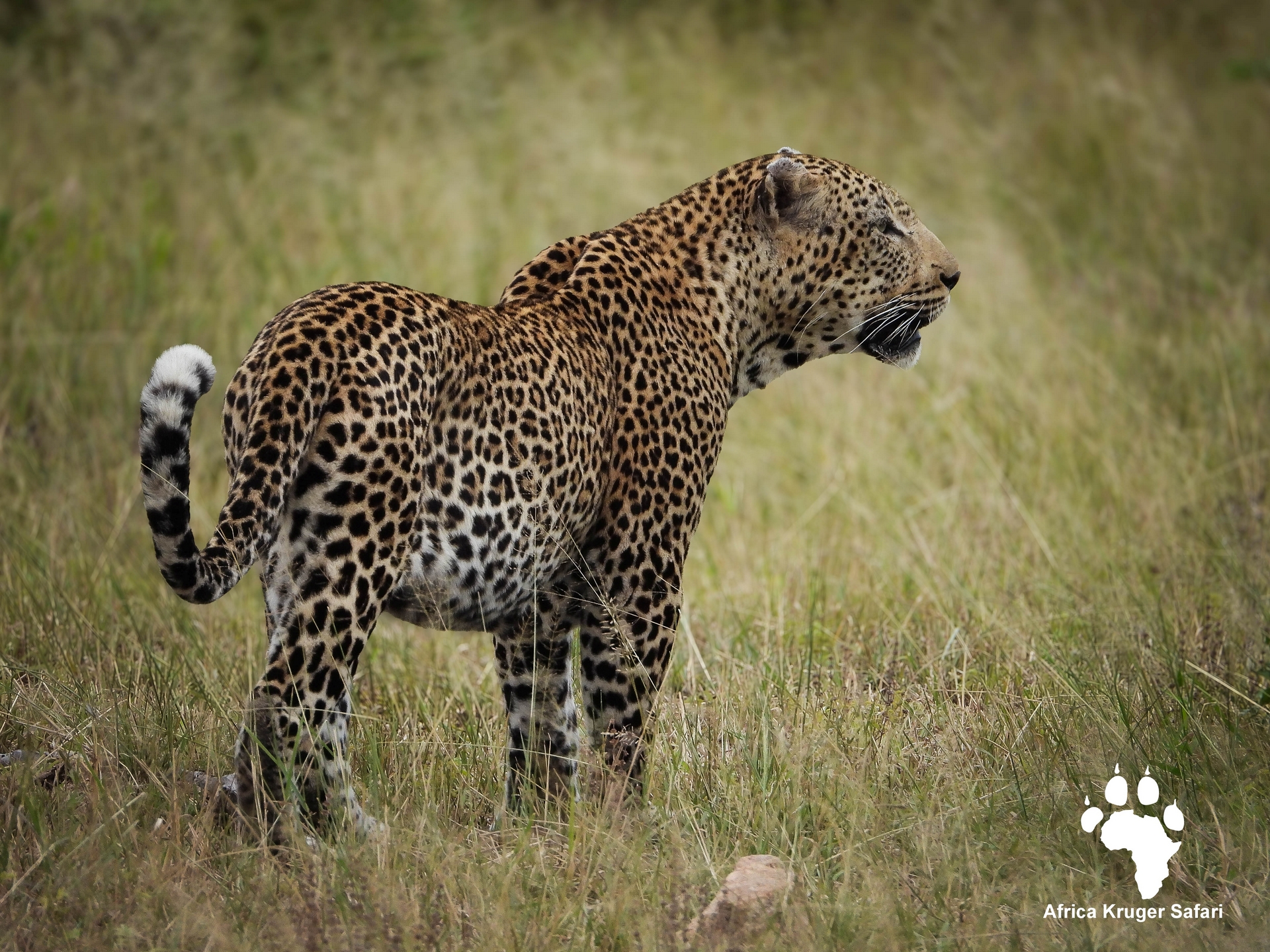
If lions are the bushveld’s most visible predator, leopards are its most secretive. Solitary, superbly camouflaged, and largely nocturnal, a leopard sighting is considered one of the great prizes of a Kruger safari. Our guides read the subtle signs — a distinctive alarm call from impala or baboon, drag marks near a tree, fresh tracks in the sand — that often lead to a sighting others would drive straight past. Spotting a leopard draped over a branch, or moving with that unmistakable fluid stealth through the undergrowth, is an encounter that stays with you long after the trip ends.
Cheetahs: Built for Speed, Built for the Open Plains
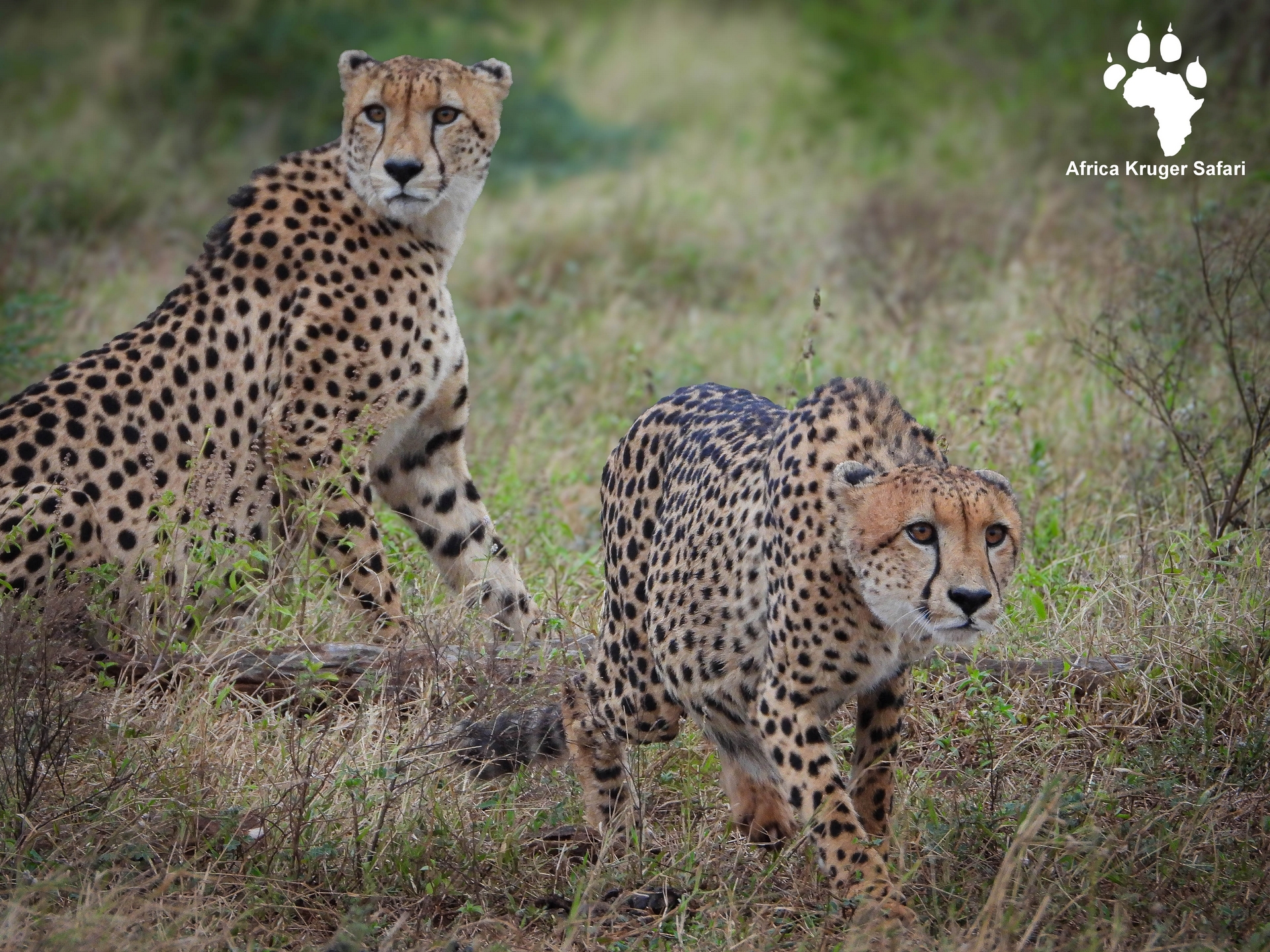
Cheetahs favor Kruger’s more open grassland areas, where their extraordinary speed — reaching up to 100 km/h in short bursts — gives them an edge over prey in the open. Unlike lions and leopards, cheetahs hunt during daylight hours, which means daytime drives offer a genuine chance of a sighting. Watching a cheetah scan the horizon from atop a termite mound, alert and coiled with potential energy, is a striking reminder of just how finely tuned these animals are for their environment.
Why Timing and Local Knowledge Matter
Each of these cats has different habits, preferred habitats, and active hours, which is exactly why guided drives make such a difference. Our FEGASA-qualified guides understand these patterns — where lions are likely to be denning, which riverine areas leopards favor, where cheetahs have been active recently — and use that knowledge to give you the best possible chance of a sighting, rather than relying on chance alone.
A Word on Patience
Big cat sightings are never guaranteed — that unpredictability is part of what makes the wild genuinely wild. But with experienced trackers, the right timing, and a bit of patience, Kruger consistently delivers some of the most memorable predator encounters in Africa.
Want your best shot at a big cat sighting? Join a game drive with Africa Kruger Safari, where experience and local knowledge turn a good safari into an unforgettable one.