Beyond the Big Five: Kruger’s Hidden Gems Worth Seeking Out
August 20, 2026
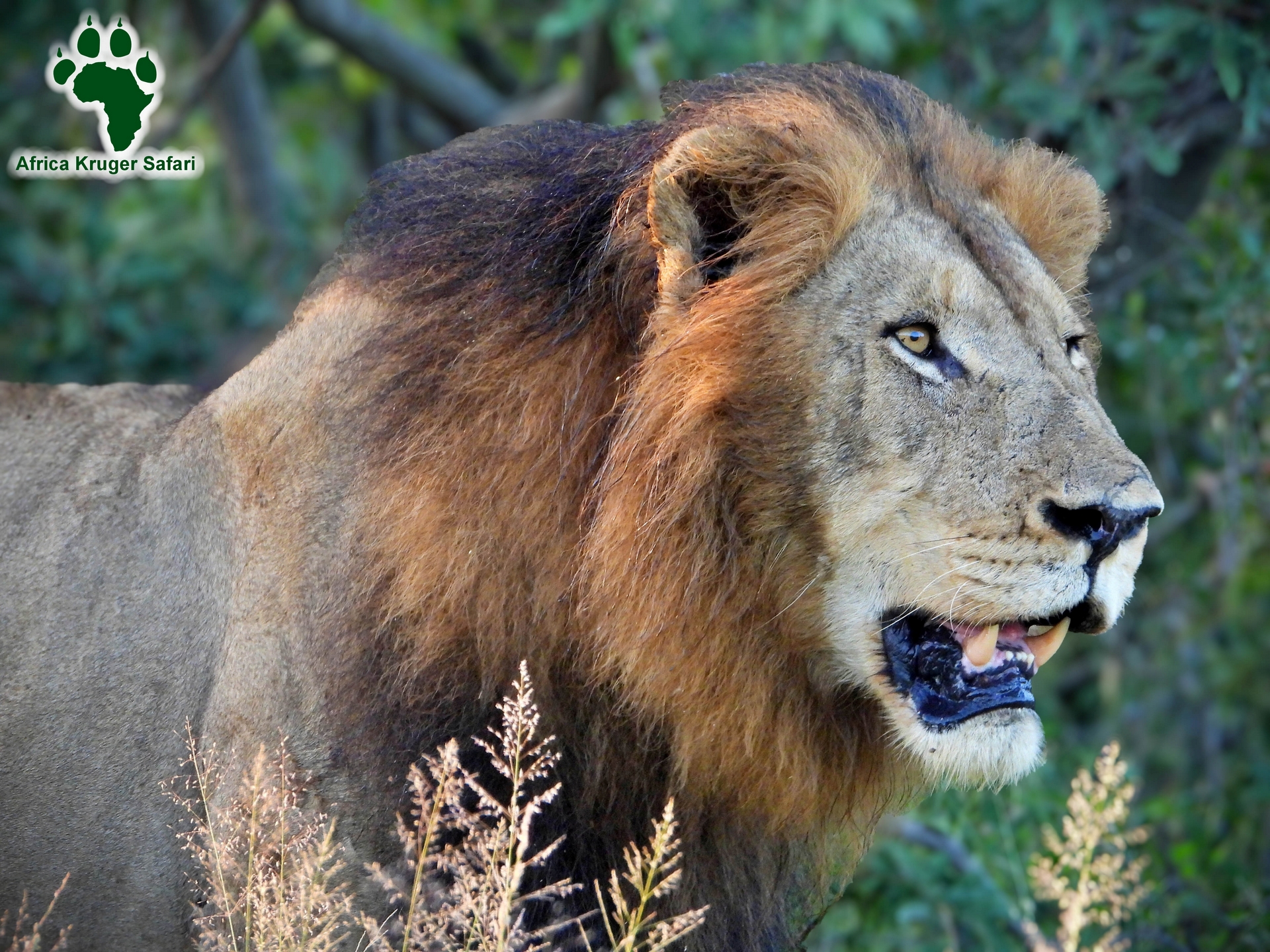
Ask most first-time safari-goers what they hope to see, and the answer usually revolves around lion, leopard, elephant, buffalo, and rhino — the legendary Big Five.
They’re icons for good reason. But some of the most memorable moments on a Kruger game drive come from animals that rarely make the highlight reel: the African wild dog, the fearless honey badger, and the endlessly entertaining dwarf mongoose. If you know where to look — and have a guide who does too — these encounters can rival any big cat sighting.
African Wild Dogs: Africa’s Most Endangered Predator
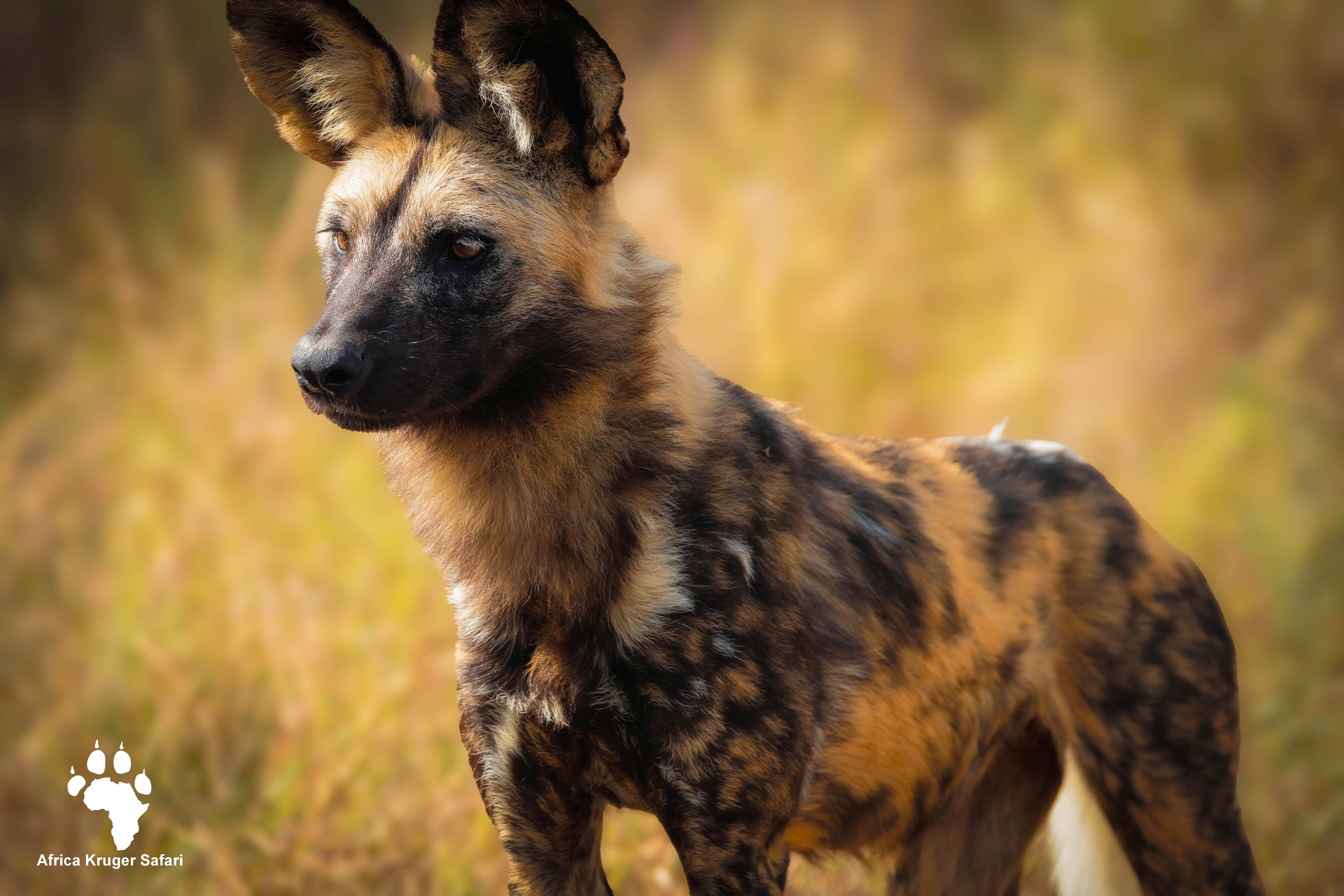
Few sightings in Kruger are as prized as the African wild dog. With fewer than 700 individuals estimated to remain in South Africa, and Kruger serving as one of their last true strongholds, encountering a pack is a genuinely rare privilege. Wild dogs are highly social, living and hunting in tight-knit packs with a level of cooperation and communication that’s fascinating to watch. Their distinctive mottled coats — no two dogs are marked alike — make each pack member individually recognizable once you know what to look for.
Wild dogs are also active hunters during daylight hours, particularly in the cooler early morning, which makes a sunrise game drive one of the best opportunities to encounter a pack on the move.
Honey Badgers: Small Body, Enormous Reputation
Don’t let its size fool you — the honey badger has earned a reputation as one of the most fearless animals in the African bush. Famous for taking on threats many times its size, from venomous snakes to lions defending a kill, the honey badger is a fascinating study in tenacity. They’re largely solitary and often more active at dawn, dusk, or even at night, so a sighting requires a bit of luck and a guide who knows their favored foraging areas. When you do spot one — usually a low, determined shape moving purposefully through the grass — it’s an encounter you won’t forget.
Dwarf Mongoose: Big Personality in a Tiny Package
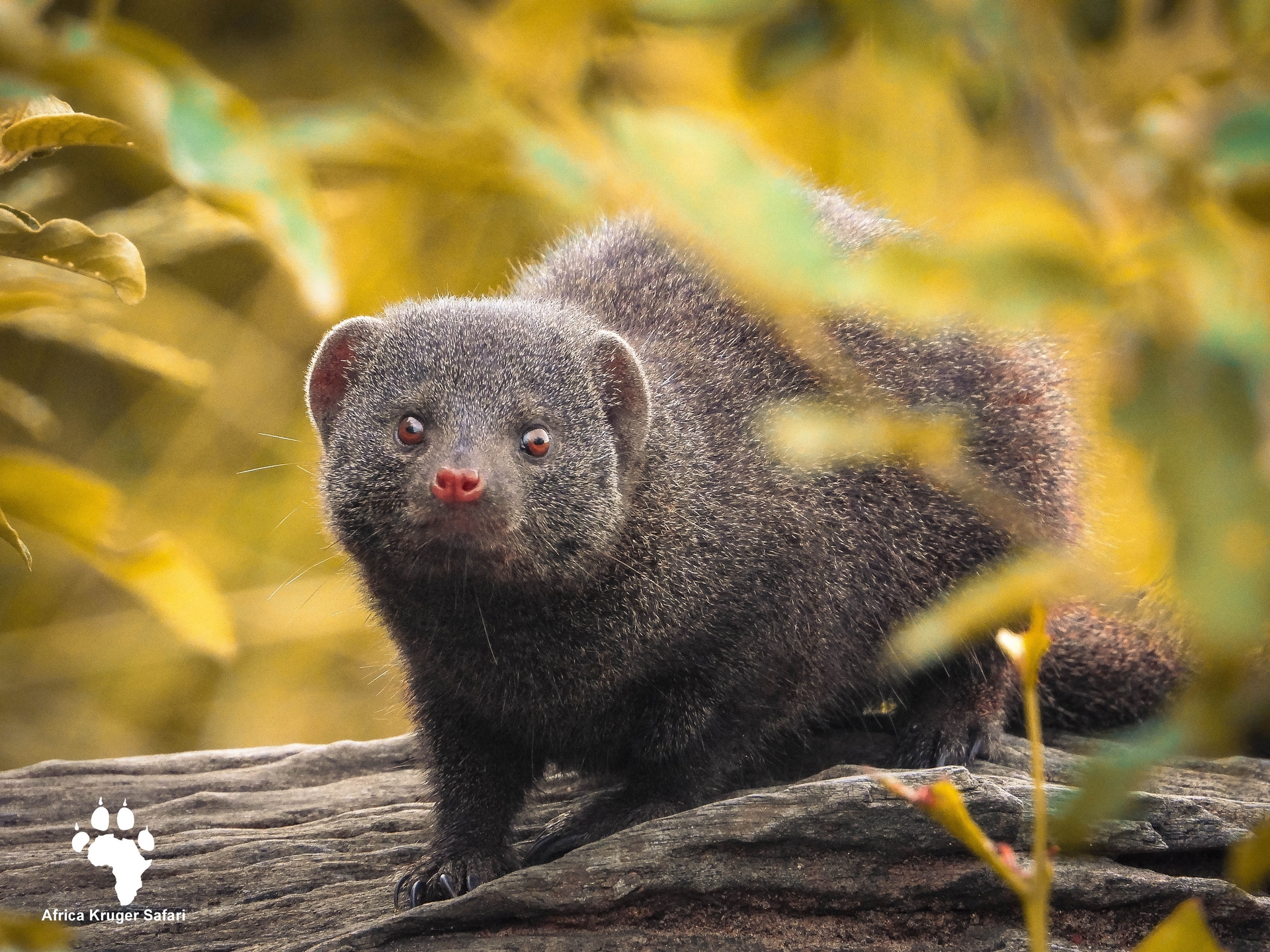
At barely 300 grams, the dwarf mongoose is one of Africa’s smallest carnivores — and one of its most charming. Living in tight family groups, often denning in old termite mounds, these little mongooses are constantly on the move: foraging, play-fighting, and posting sentries to watch for danger while the rest of the troop feeds. Watching a dwarf mongoose colony go about its busy morning routine is a wonderful reminder that the bush’s smallest residents can be just as captivating as its largest.
Why the “Small Stuff” Matters
A truly great safari isn’t only measured by ticking off the Big Five. Some of the richest, most memorable moments come from unexpected encounters — a wild dog pack trotting past at first light, a honey badger digging determinedly for a meal, a mongoose family spilling out of a termite mound at sunrise. Our guides take as much pride in finding these special sightings as they do the more famous ones, because they know that Kruger’s true magic lies in its full diversity, not just its headline acts.
Curious what else is waiting beyond the obvious? Book a game drive with Africa Kruger Safari and let our FEGASA-qualified guides show you the bush in all its detail — big, small, and everything in between.